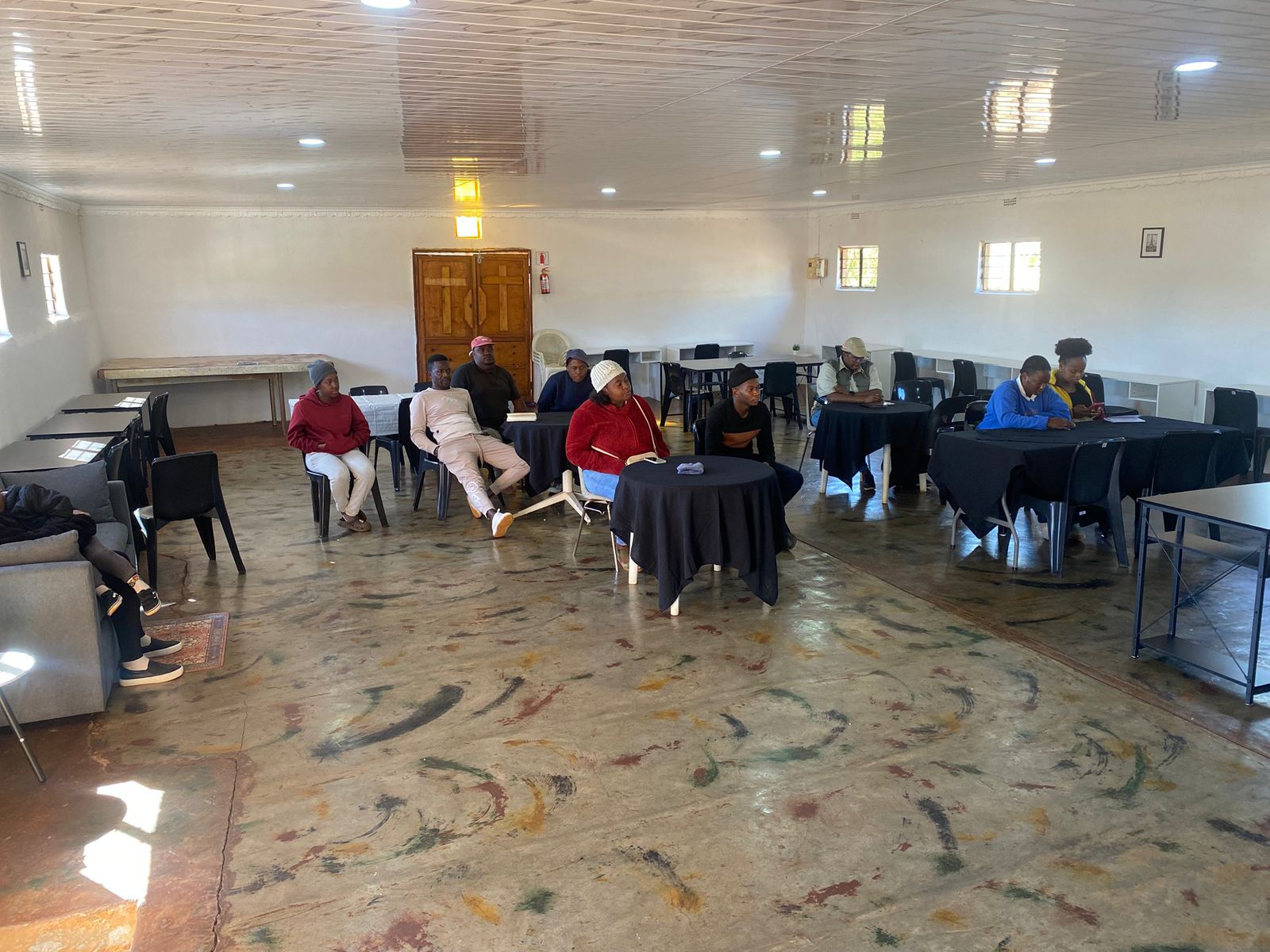
South Africa’s innovation infrastructure remains concentrated around its largest cities and universities. For an aspiring founder in a rural community, the difference between having an idea and actually building something can be as basic as access to a computer, prototyping equipment, technical support or a place to work.
The IncHub Mpumalanga Centre for Innovation & Entrepreneurship is being developed around that gap.
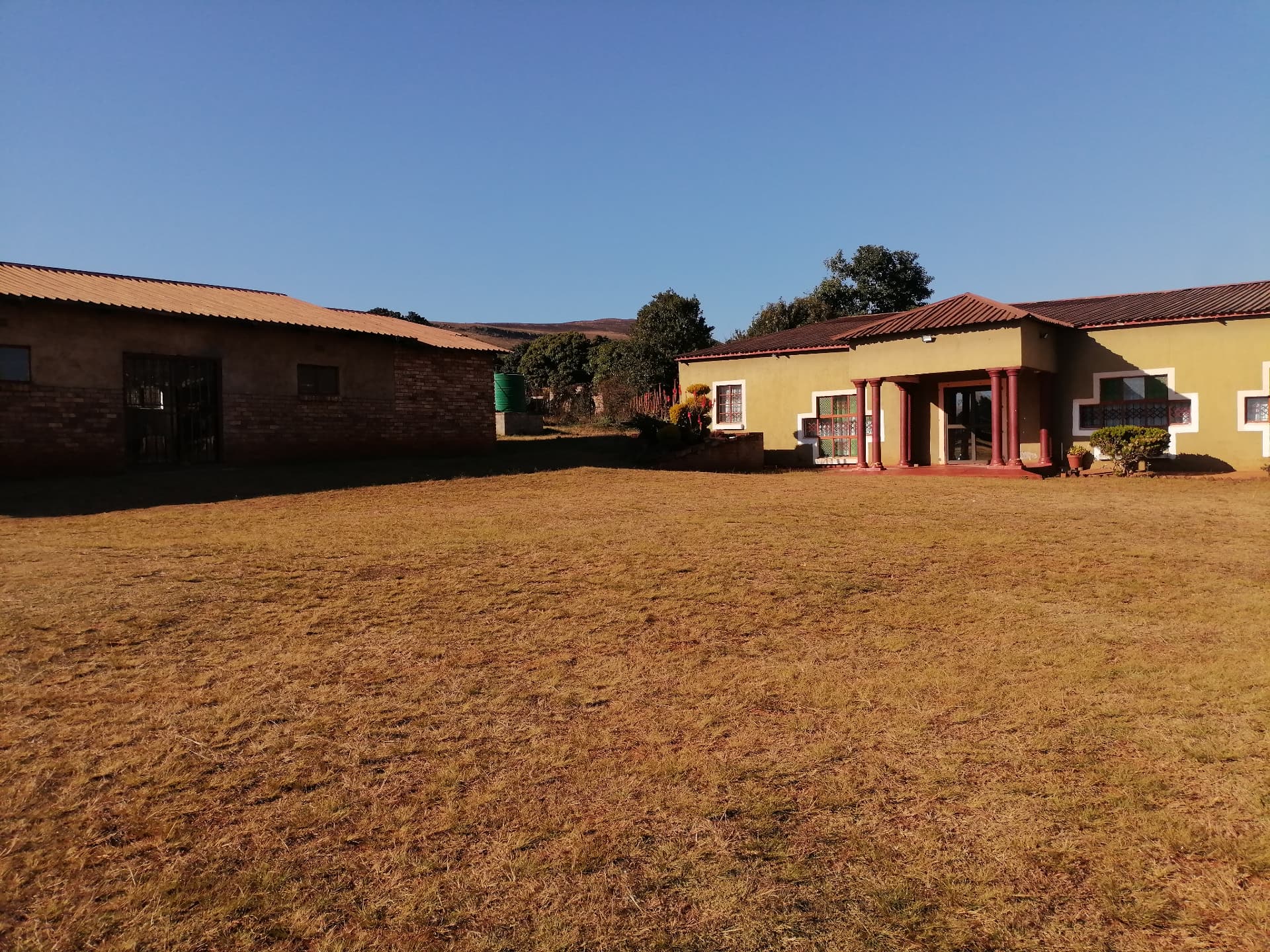
Located in Leroro, Mpumalanga, the centre was launched in 2025 under IncHub Polokwane, in partnership with the Technology Innovation Agency and the Department of Science, Technology and Innovation. Its focus is on combining practical technology infrastructure with skills development and business incubation for rural entrepreneurs, students and innovators.
Rather than positioning the facility only as a training centre, IncHub is building it as a place where people can move from learning a technology to using it to create a product or business.
That distinction is important.
BUILDING SOMEWHERE PEOPLE CAN ACTUALLY MAKE THINGS
The centre is being developed around physical infrastructure that is often difficult for early-stage entrepreneurs to access.
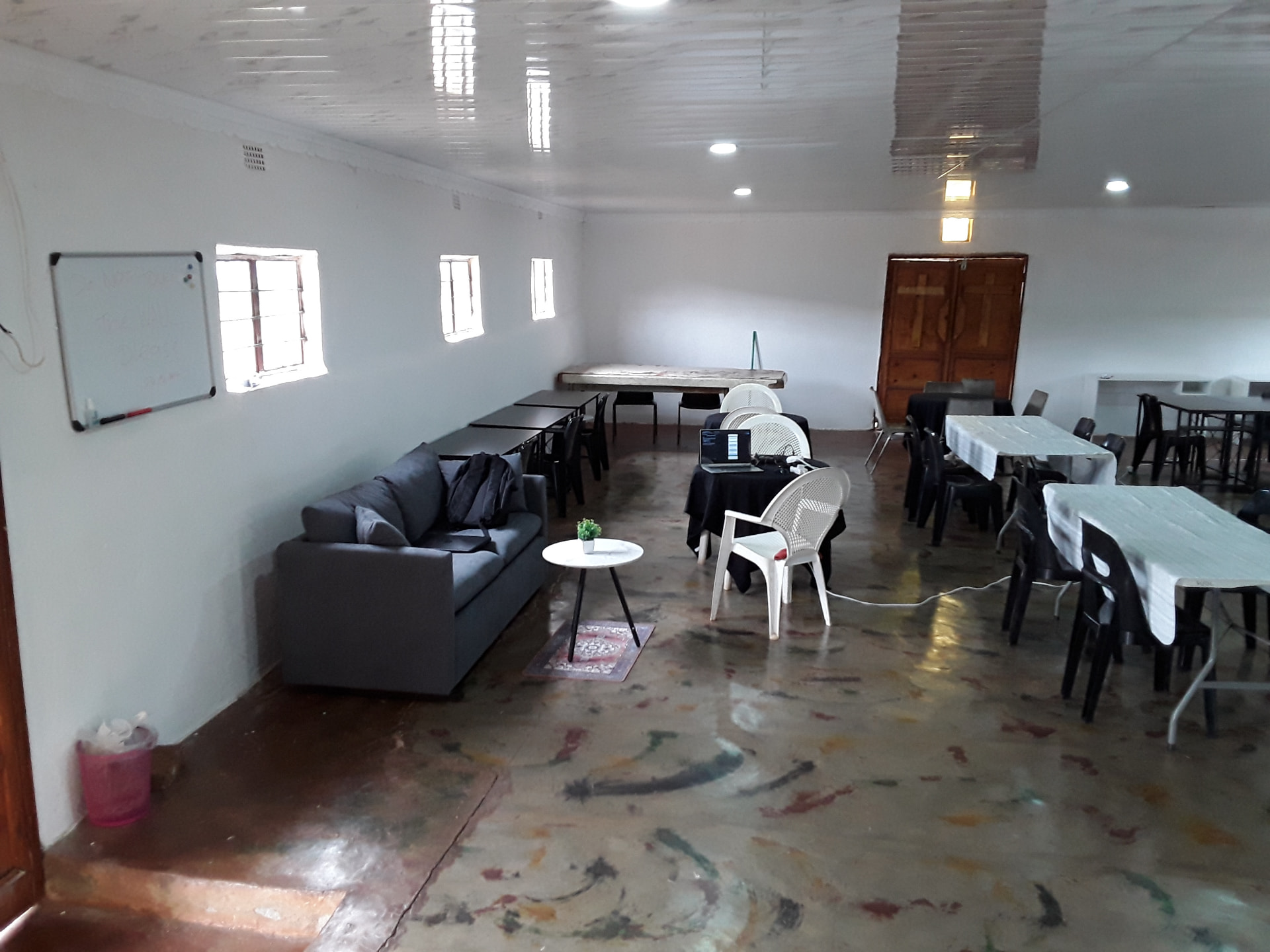
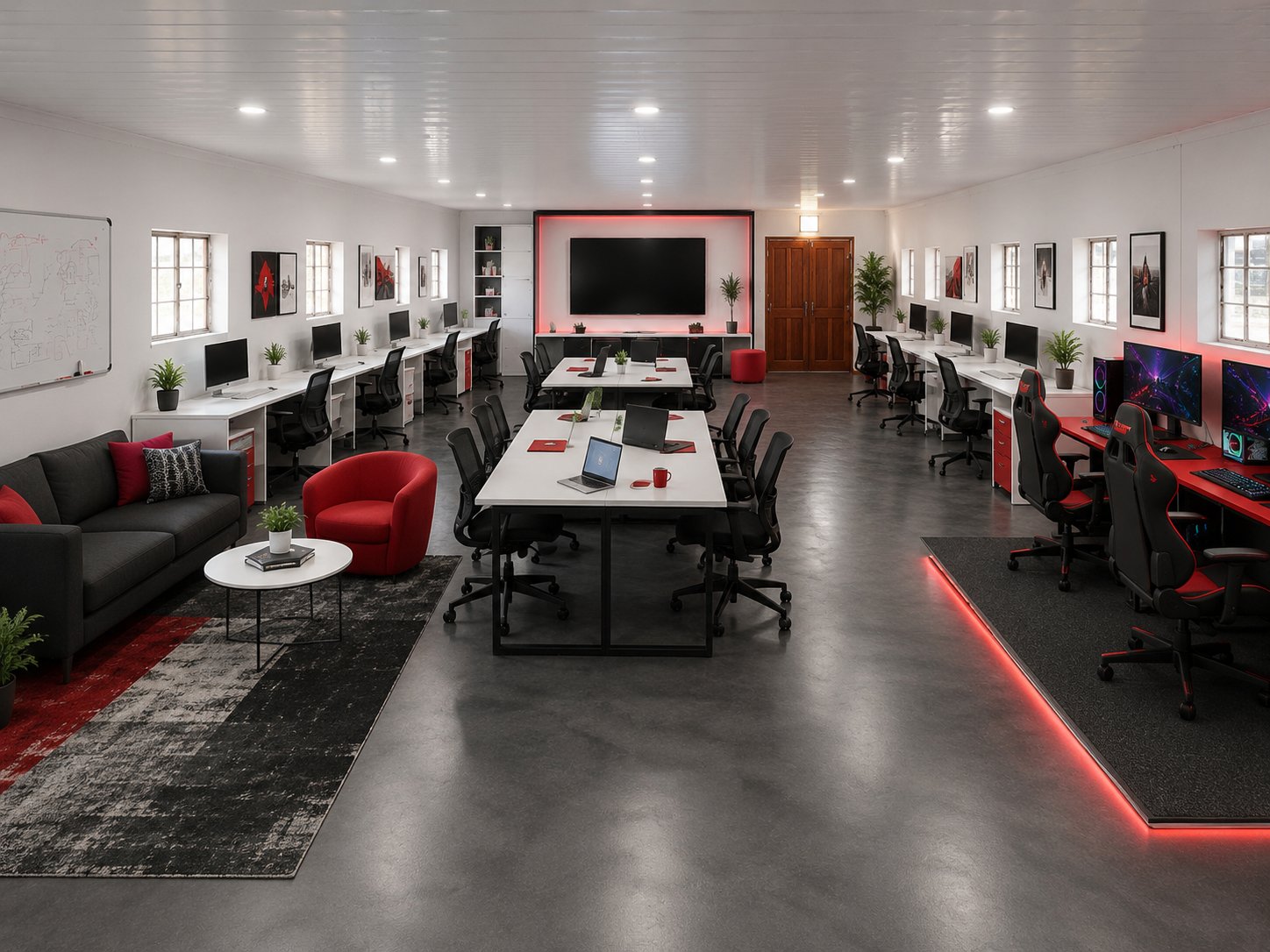
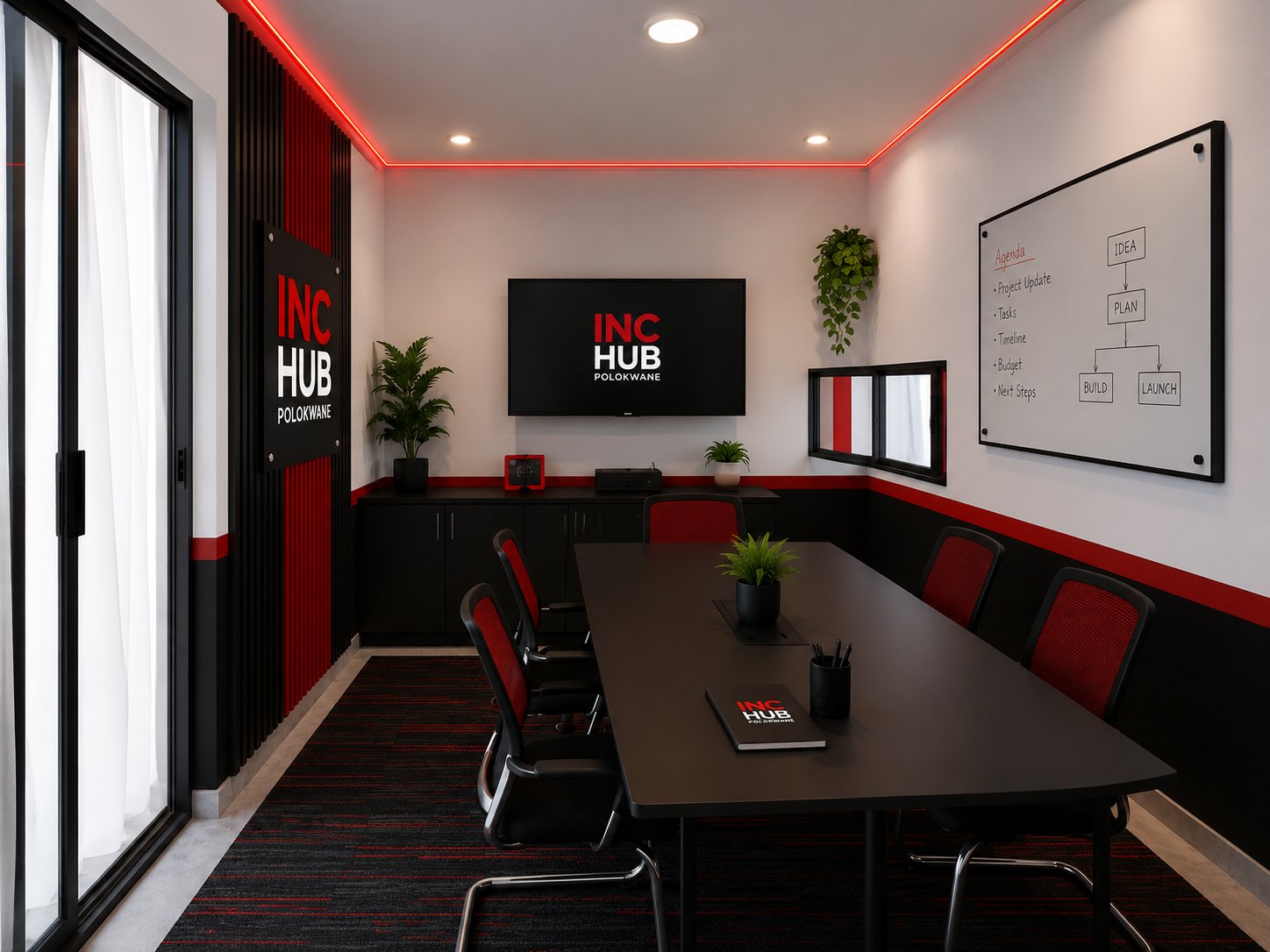
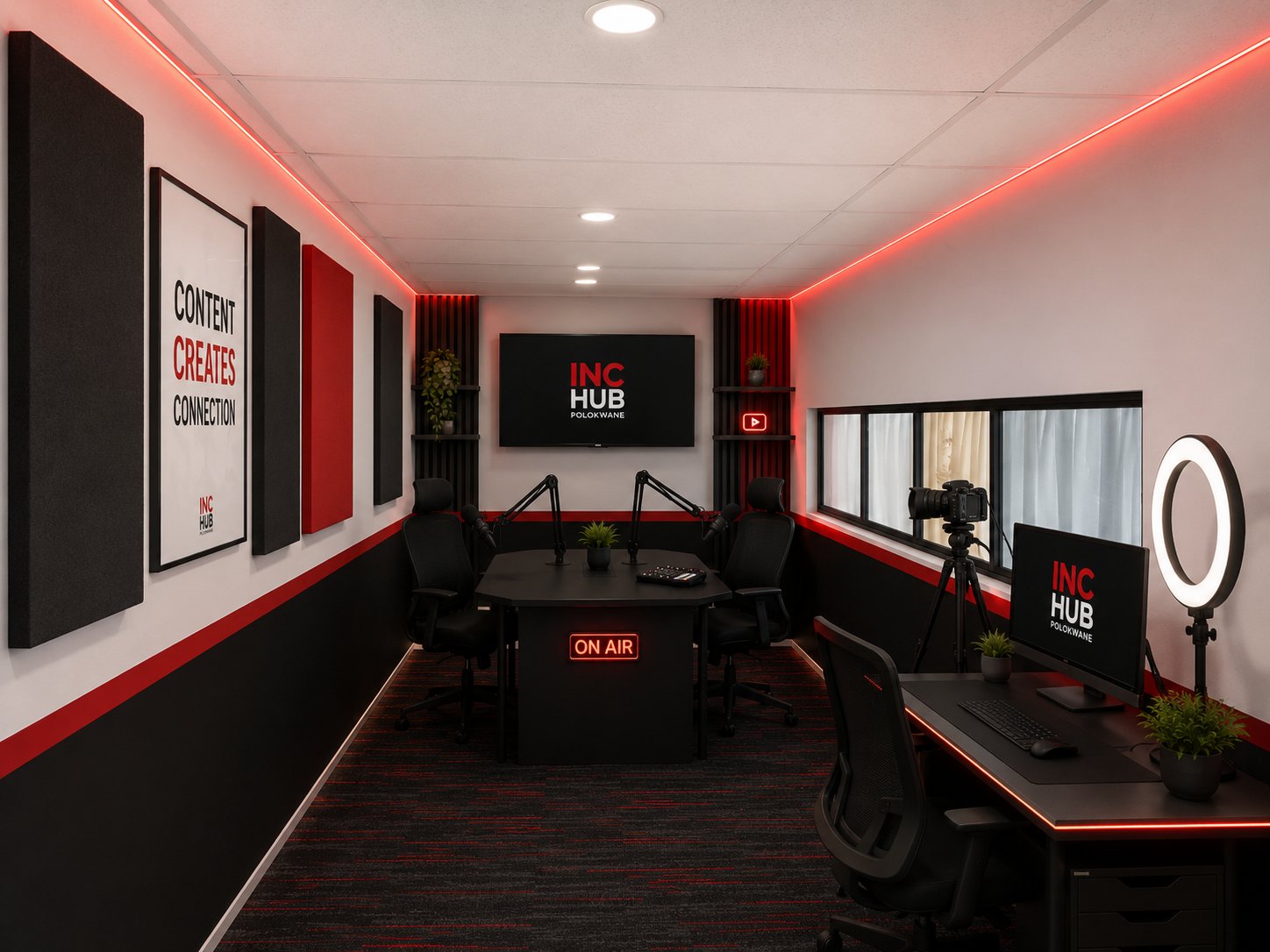
Planned capabilities include computer laboratories, electronics and hardware workspaces, advanced manufacturing, 3D printing, packaging facilities, media production and co-working space. IncHub says equipment installation and facility fit-out are currently being completed in phases.
The idea is to create a practical environment rather than a programme that ends with a presentation.
Someone learning coding should have somewhere to develop software.
An entrepreneur with a physical product should have access to prototyping tools.
A young person exploring electronics should be able to move beyond theory and begin building.
And a founder developing a business should have access to workspace, mentorship and a pathway towards funding and commercialisation.
This reflects the broader IncHub model, which is structured around four stages: build, incubate, commercialise and scale. The organisation combines software, AI, IoT and hardware development with incubation, market validation and funding-readiness support.
For the Mpumalanga centre, the challenge is bringing more of that infrastructure into a rural setting.
SKILLS ARE ONLY USEFUL IF THERE IS SOMEWHERE TO APPLY THEM
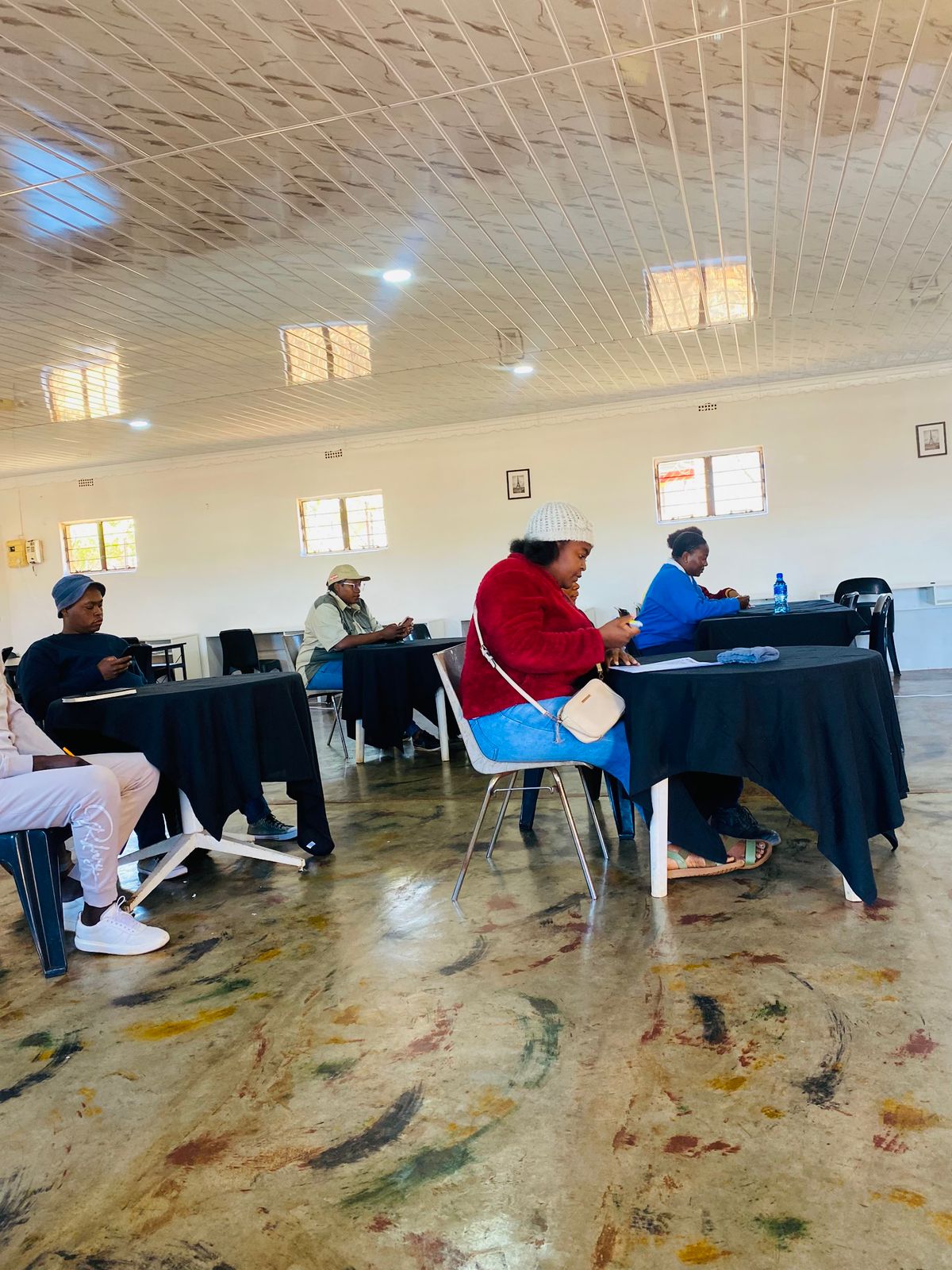
Skills development is one of the centre’s main priorities, particularly in areas associated with the Fourth Industrial Revolution.
Its current programme direction includes coding, artificial intelligence and IoT, alongside entrepreneurship and business incubation. The centre is being structured to support more than 60 incubatees annually through workspace, mentorship and growth support once operations reach the intended scale.
What makes the model interesting is the connection between technical skills and entrepreneurship.
Digital-skills programmes are relatively common. The harder question is what happens to participants afterwards.
If somebody learns software development, where do they build?
If they have a hardware idea, where do they prototype it?
If a prototype works, how do they test whether somebody will pay for it?
And once there is a viable business, how does that founder prepare to approach a funder or customer?
The Mpumalanga centre is being positioned as infrastructure for that progression rather than as a collection of isolated workshops.
IncHub already provides startup support nationally through a combination of incubation, funding readiness and product-development services, with the Leroro facility serving as its physical centre for incubation, training and rural startup support in Mpumalanga.
PART OF A LARGER TECHNOLOGY ECOSYSTEM
The centre also benefits from being connected to a company that develops technology itself.
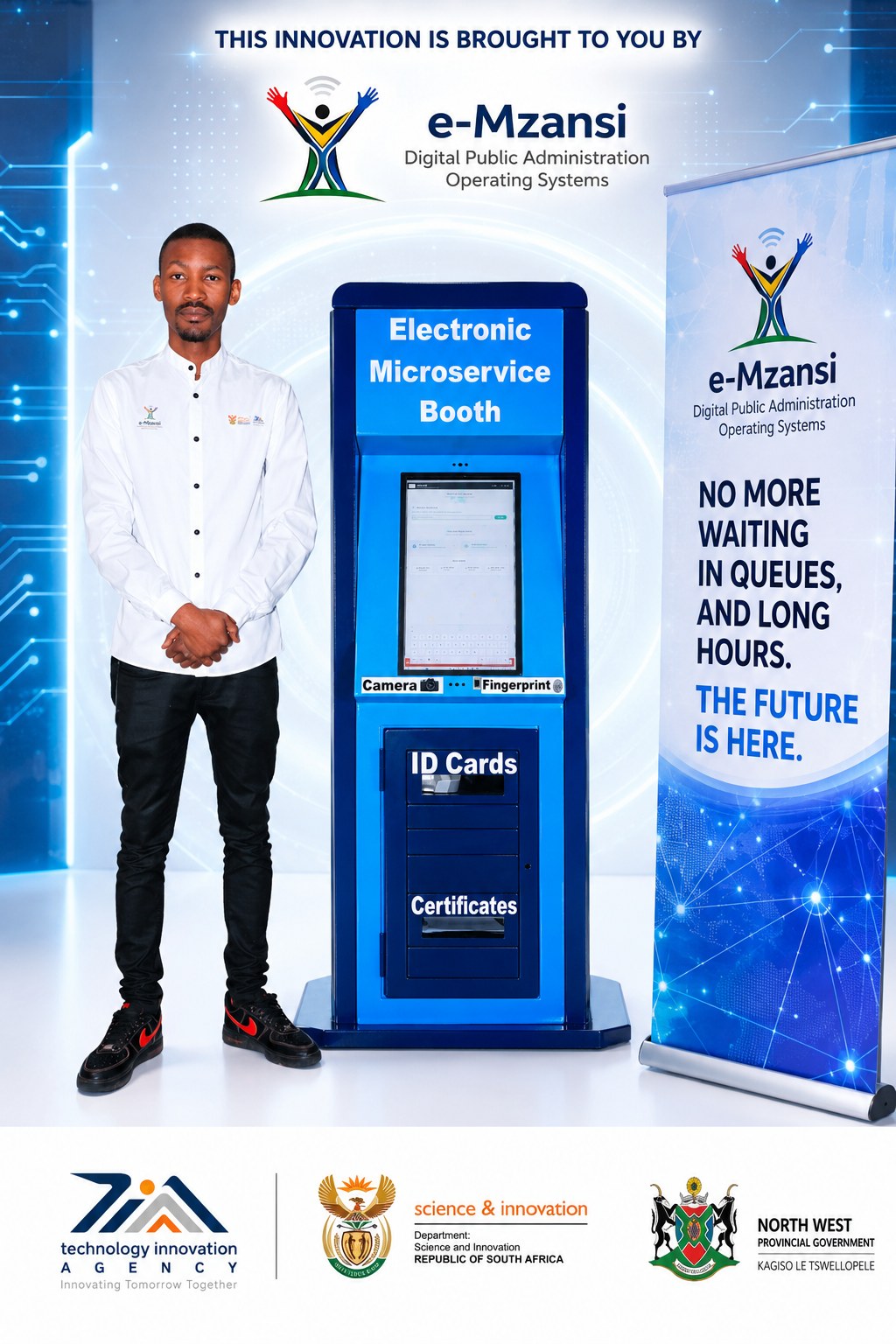
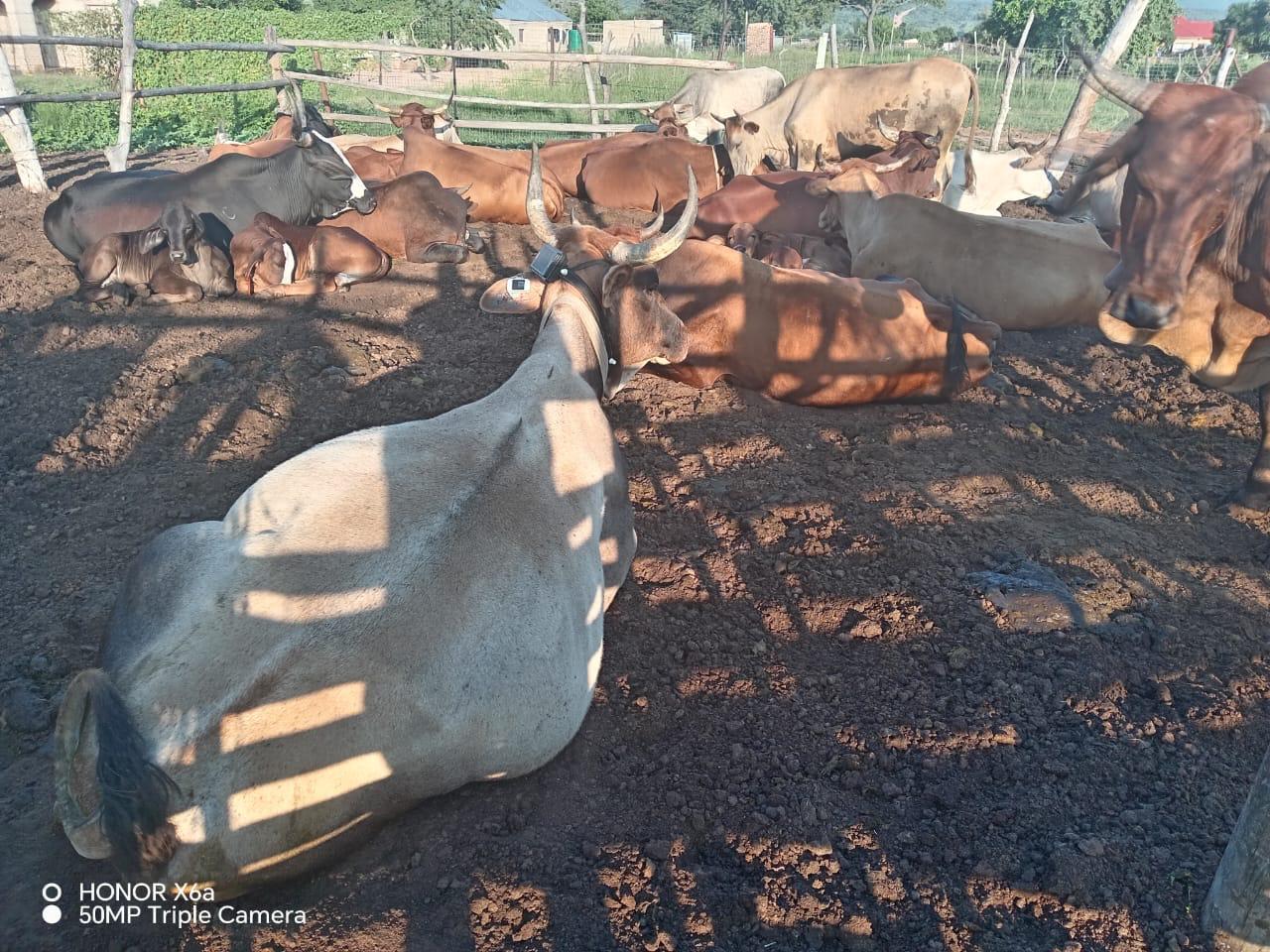
IncHub’s wider portfolio includes work across software, AI, hardware and connected systems, with products covering areas such as fintech, water infrastructure, travel and agricultural technology.
One example is SAFIFLOW, a water-monitoring and management technology that uses connected infrastructure and digital reporting to help make pumps, reservoirs and other water assets measurable.
That type of project matters in the context of a centre for innovation because it gives participants exposure to what product development actually looks like.
Innovation becomes more tangible when people can see software being developed, electronics being tested, prototypes being refined and businesses moving through commercialisation.
The centre is therefore not being developed only as a classroom.
It is intended to become part laboratory, part startup hub and part technical workspace.
THE CENTRE IS STILL BEING BUILT
The Mpumalanga CIE is not yet a finished innovation campus.
Its next phase is focused heavily on completing infrastructure and installing equipment. IncHub says facility updates and individual laboratory availability will be published as each phase is completed.
That means the centre is currently in an important transition: from programme and infrastructure development towards a more fully equipped operating environment.
The longer-term model is also designed to reduce dependence on grant funding alone.
The centre’s published sustainability framework includes income from co-working, training, prototyping, fabrication, consulting and events. Its roadmap moves from establishing programmes and governance towards accredited training, corporate partnerships and, ultimately, a more self-sustaining operating model.
That commercial element could be important.
Innovation centres often struggle when their future depends entirely on the next funding cycle. A facility that can generate part of its operating income through useful technical services has a stronger chance of remaining active after individual programmes end.
WHAT COMES NEXT
The immediate priority for IncHub Mpumalanga is straightforward: finish the infrastructure and put it to work.
Once the computer labs, fabrication equipment, hardware spaces and other facilities become fully operational, the real measure of the centre will be what begins emerging from them.
Young people gaining technical skills is one outcome.
Founders developing prototypes is another.
The bigger ambition is to connect those activities so that a learner can become a builder, a builder can become an entrepreneur, and an entrepreneur can eventually develop a company capable of reaching customers and attracting investment.
That is what makes the project worth watching.
The IncHub Mpumalanga Centre is not attempting to recreate a Johannesburg or Cape Town technology hub in a rural community.
Its opportunity is to build something suited to the environment around it — a place where access to equipment, technical capability and entrepreneurship support are brought together under one roof.
If that model works, the most important outcome will not be the building itself.
It will be what people from the communities around it are able to build inside it.
INCHUB MPUMALANGA CENTRE FOR INNOVATION & ENTREPRENEURSHIP
Parent organisation: IncHub Polokwane / IncHub PLK Location: Leroro, Mpumalanga Launched: 2025 Focus: Technology skills / Business incubation / Prototyping / Entrepreneurship Current stage: Facility fit-out, equipment installation and programme development Planned capabilities: Computer labs, hardware and electronics, advanced manufacturing, 3D printing, packaging, media production and co-working Explore: IncHub Polokwane | Mpumalanga Centre for Innovation & Entrepreneurship