Abiri Innovations is entering a critical stage in its development.
The Mokopane-based technology startup is preparing to move its Leshaka livestock tracking and monitoring solution from field testing into a larger production phase, as it looks to turn several years of product development into a commercially deployable agritech business.
Founded in 2018 by Tswelelo Piet Mashita, Abiri has built its work around location technology and the challenges faced by rural and underserved communities. The company first gained attention for digital mapping technology aimed at improving the visibility of rural and township locations that were poorly represented on conventional mapping platforms. In 2022, that work won first prize at the South African leg of the Eureka Meets the Atlantic innovation forum.
Leshaka represents the next phase of that journey.
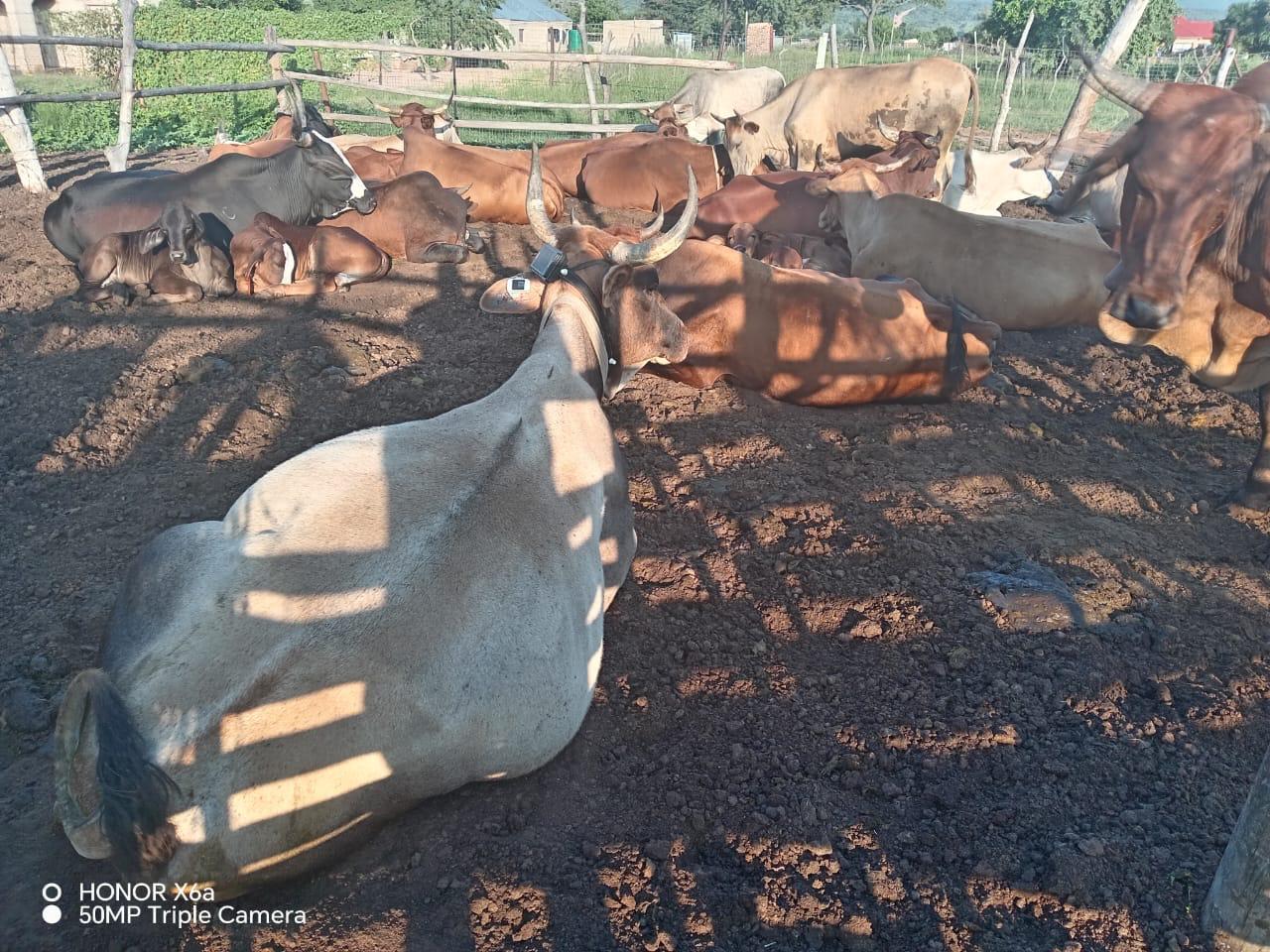
The solution is designed to help livestock owners monitor the location and status of their animals through a digital platform, with a particular focus on smallholder farmers and rural households. Abiri positions the product primarily as a livestock-security tool, using tracking and alerts to give farmers better visibility over animals that may otherwise be difficult to locate once they move beyond the immediate farm or kraal.
FROM FIELD TESTING TO PRODUCTION
Abiri is no longer at the idea stage.
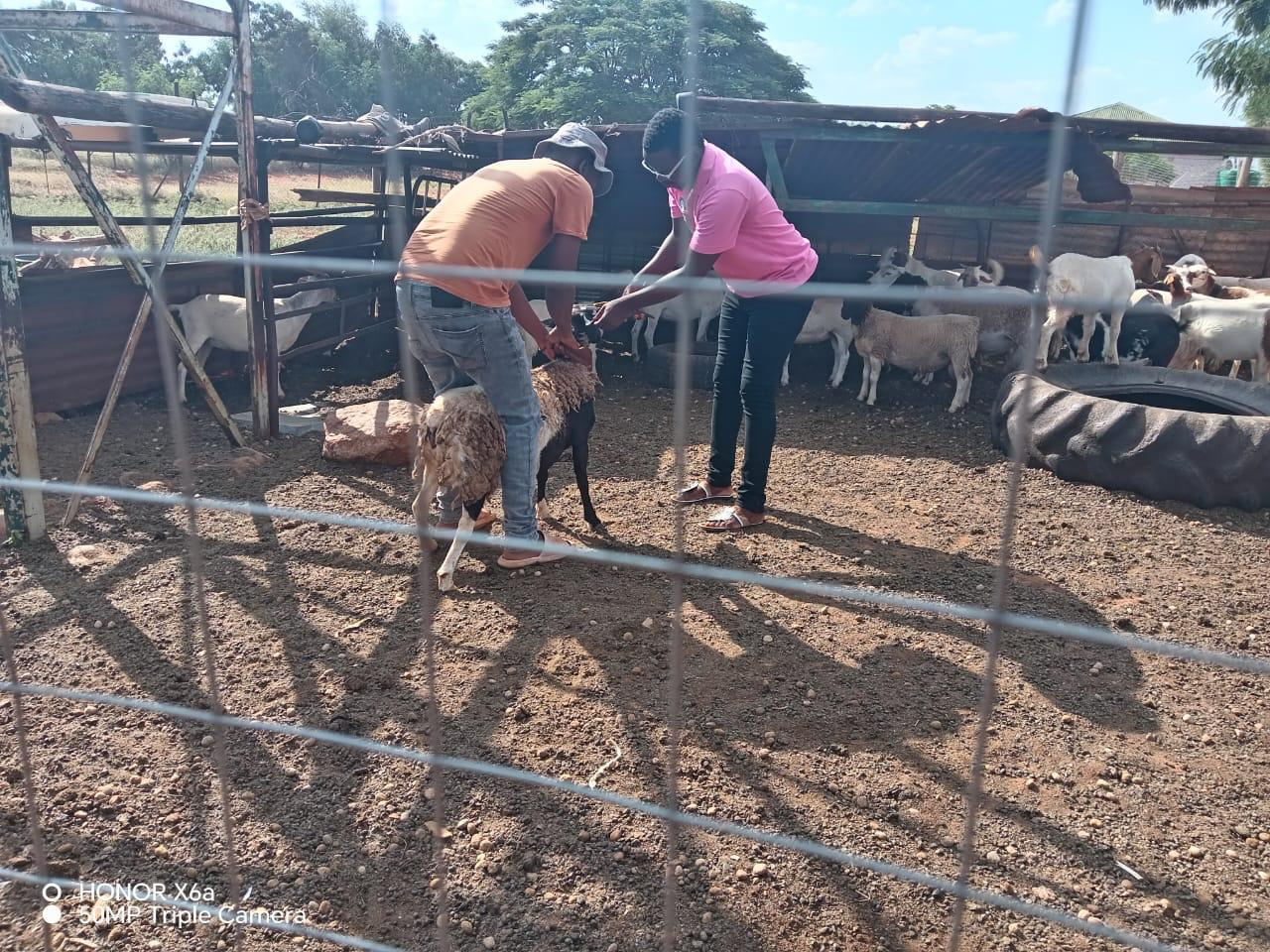
The company currently reports that 15 prototype devices have been field tested and that it is preparing for a production run of 500 units. It also reports more than 300 customers or pre-orders awaiting deployment, giving the startup an early market against which it can begin testing commercial demand at a larger scale.
That makes the next phase particularly important.
Moving from a small batch of prototypes to hundreds of units means Abiri now has to prove more than whether the technology works. It needs to show that the product can be manufactured consistently, deployed efficiently and supported in the environments for which it was designed.
The startup is also building a recurring-service model around Leshaka rather than relying only on hardware sales. Its current offering combines device installation with ongoing access to livestock monitoring, alerts and the accompanying digital platform.
For a hardware startup, that approach gives Abiri an opportunity to build a continuing relationship with farmers after installation.
BUILDING FOR A SPECIFIC MARKET
What makes the business worth watching is the market Abiri has chosen to serve.
Livestock technology is not new, but many commercial systems are designed around larger farming operations. Abiri is positioning Leshaka around farmers who may operate with different cost, infrastructure and connectivity constraints.
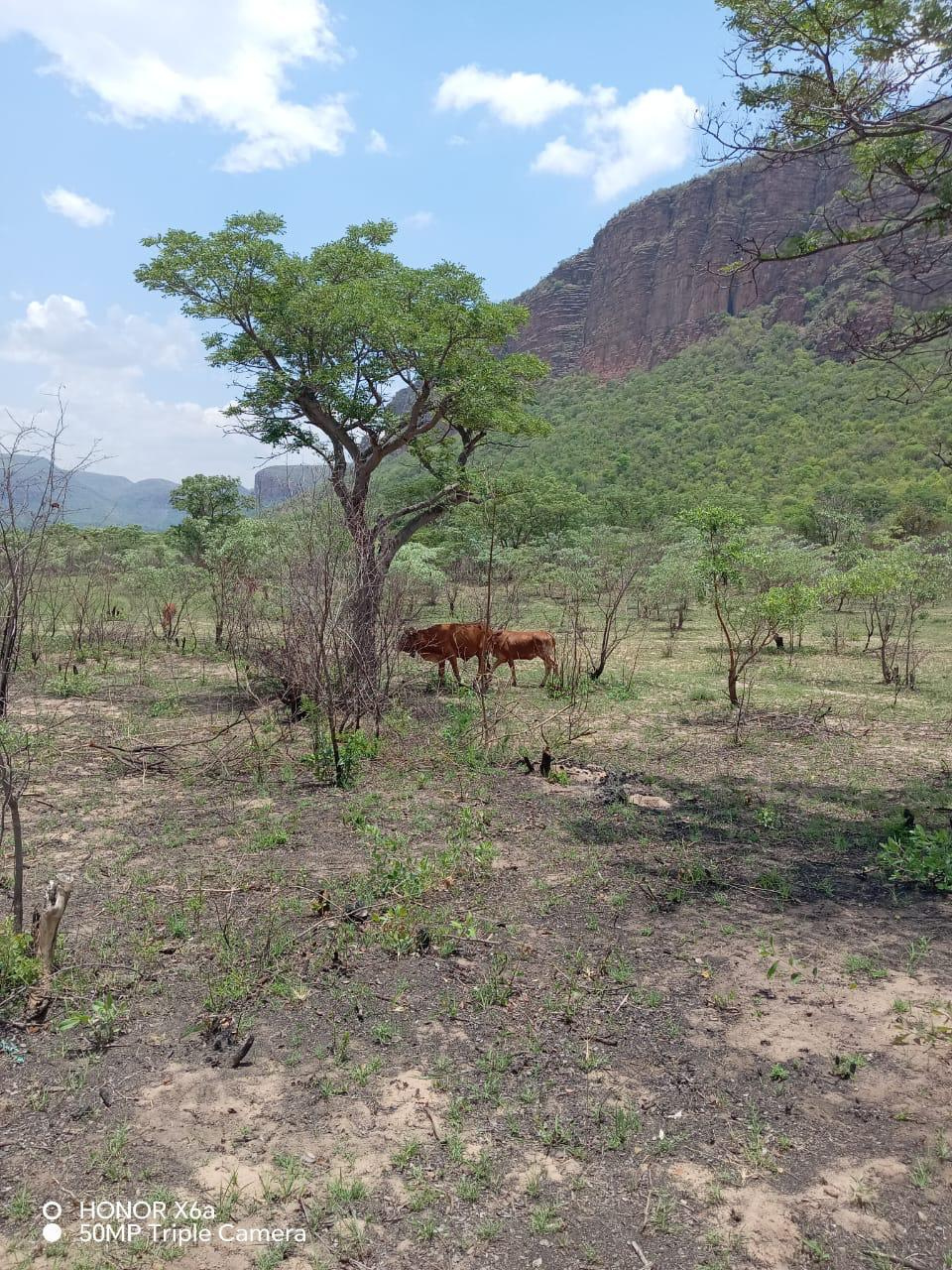
The company describes its target customers as rural households and smallholder farmers who rely on livestock for their livelihoods. Its product development has therefore focused on making livestock monitoring accessible from both desktop and mobile devices while designing the physical solution for extended use in rural environments.
This is also consistent with Abiri's broader history.
Long before Leshaka, the company was already working on technologies aimed at making rural communities more digitally visible. Its move into livestock tracking is therefore less of a departure than it first appears: both businesses are built around solving location problems.
WHAT COMES NEXT
The immediate priority is commercialisation.
Abiri says it is preparing to manufacture 500 Leshaka units, with South Africa as its core market and Angola identified as part of its longer-term expansion plans.
If the production phase is successful, the company will then face the questions that determine whether an innovation becomes a scalable startup: customer adoption, manufacturing capacity, distribution, product reliability and the economics of serving farmers across geographically dispersed communities.
There is also room for the product to evolve beyond theft prevention.
Once livestock is connected to a digital monitoring platform, the same infrastructure can potentially support broader livestock-management services over time. External startup profiles already describe Abiri's work in terms of both livestock security and animal monitoring, although the company's immediate commercial focus remains Leshaka's tracking proposition.
For now, the milestone is simpler.
Abiri has moved from identifying a problem, to building and field-testing a product, and is now preparing to find out whether it can manufacture and deploy that product at scale.
For a technology company building from Mokopane, that next 500-unit run could be the point at which Leshaka moves from promising prototype to commercial agritech product.
ABIRI INNOVATIONS Location: Mokopane, Limpopo Founded: 2018 Founder: Tswelelo Piet Mashita Product: Leshaka Sector: Agritech / Livestock Technology Current stage: Final field testing and preparation for a 500-unit production phase.